
VPSS IP Core for FPGA
BergLogic's VPSS (Video Process Sub-System) IP is a complete video editing and processing subsystem, built from independent functional modules — crop, scale, windowing, OSD, rotation, etc. — each available as a standalone RTL IP. The VPSS IP supports up to 8 video source inputs at different resolutions and frame rates, with per-source crop and scale parameters, and renders image content at configurable positions within the output window. While delivering this rich feature set, BergLogic's VPSS keeps logic usage tight — using only 1/2 to 2/3 of the FPGA resources of comparable products. Max input equivalent bandwidth is 4K@120fps, max 8/16 video source inputs, max output bandwidth 4K@60fps. Both input and output interfaces are standard AXI-Stream — the output ties directly to an HDMI IP. VPSS supports a low-latency mode and a synchronized mode. In low-latency mode, input-to-output latency is held within a few tens of microseconds; in synchronized mode, leveraging IEEE 1588 clock synchronization, multiple devices running VPSS output HDMI frames in lock-step, with inter-device frame-phase difference below 1 ms.

BergLogic's VPSS IP can both window and layer multiple sources onto a single display, and tile a single source synchronously across a video wall. The figure below shows a single encoder source multicast to multiple decoders — VPSS at each decoder crops the image and stitches the segments together in sync on a video wall.
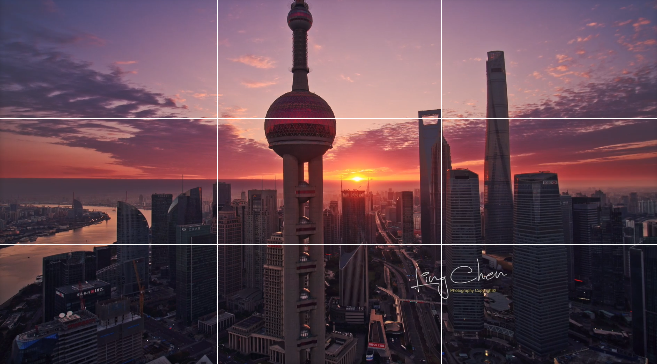
VPSS windowing supports multi-layer composition for flexible source-display layering — picture-in-picture and similar effects. The OSD module is rich: in addition to subtitles and audio bars, full menu overlays are supported. As a key module of BergLogic's video pipeline, VPSS pairs with video codec IP and network modules to build distributed video systems, NDI A/V transport systems and more. The VPSS IP has been thoroughly validated and deployed at scale on Xilinx Kintex-7 and UltraScale/UltraScale+ families, and is in stable commercial use.
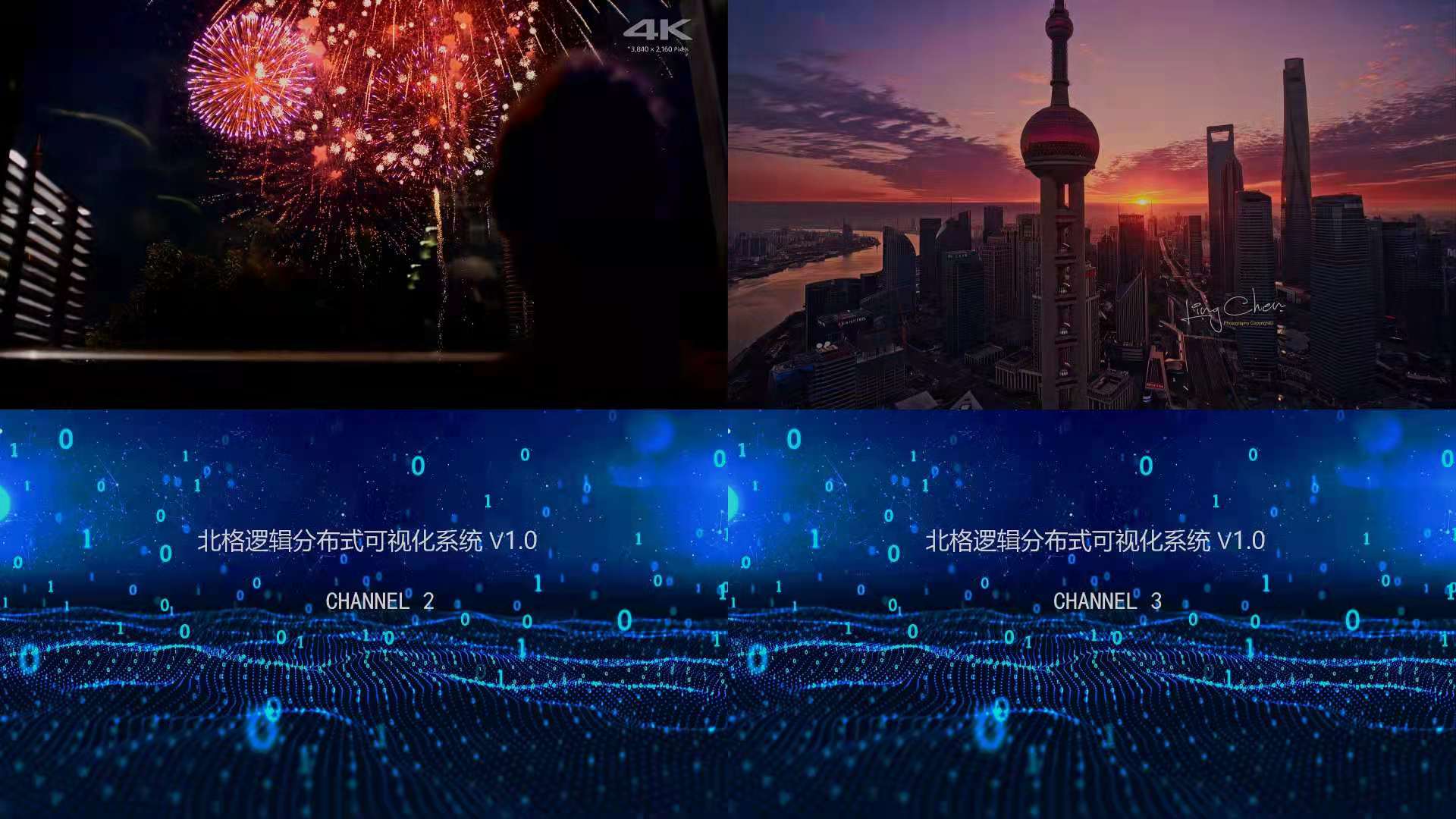
- • 8-channel input support
- • Flexible input resolutions (720p, 1080p, 4K and more)
- • Input formats: RGB, YUV444, YUV422, YUV420
- • Bit depths: 8 / 10 / 12
- • Color-space conversion (RGB ↔ YUV)
- • OSD support
- • 9 layers (8 for the 8 input channels, top layer reserved for OSD)
- • Per-channel crop
- • Per-channel scaling (bilinear interpolation)
- • Frame-rate conversion (drop / insert frames)
- • Multi-window: configurable coordinates, size and layer for the 8 channels
- • Low-latency mode and multi-display synchronized mode (via IEEE 1588)
- • Throughput: 4K@60fps
- • Direct HDMI 2.0 output